Warm Sheets, Cool Head: The Pre-Winter Electric Blanket Check
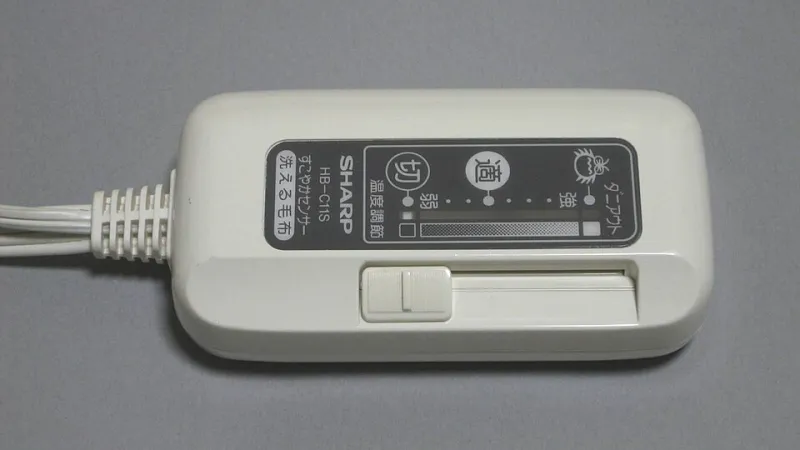
Photo: Qurren, CC BY-SA 3.0, via Wikimedia Commons
There's a particular November moment in UK homes: the heating clicks on, the big coat comes out, and someone remembers the electric blanket that has spent eight months folded on top of the wardrobe. It comes down, gets plugged in, and the bed becomes a warm little haven again. Lovely. Also worth a quick check before it earns its place under the duvet.
Electric blankets and heated throws are low-power compared with kettles and tumble dryers, but they sit close to people for hours, often overnight, and often after a long storage period. That combination deserves more than a hopeful prod of the plug. Think of this as a pre-winter MOT — not to spoil the cosiness, but to make sure the cosy thing isn't quietly becoming a risk.
Start with the cable, not the blanket
Before you plug anything in, unroll the blanket fully and look along the cable from the plug to the controller and into the blanket itself. You're checking for the obvious and the slightly less obvious: cuts, crushed sections, exposed inner wires, scorch marks, stiff patches, or repairs involving insulation tape. Tape is not a fix here. It's a warning sign.
Check the plug too. In the UK, a standard BS 1363 plug should feel solid, with no cracks in the casing, no loose pins and no signs of heat around the fuse cover. If the cable has been yanked out of the plug or the cord grip is loose, stop. A blanket is not the place to practise your rewiring skills.
Also check the controller — the little handset with the dial or buttons. Look for cracks, discoloured plastic, a cable that wobbles where it enters the unit, or buttons that feel sticky or unreliable. If the controller has had a knock or looks heat-damaged, don't rely on it. Replace the blanket or follow the manufacturer's advice; don't improvise.
Unfold the truth about storage
How a blanket was stored matters. If it was folded tightly in a cupboard under a pile of winter coats, the internal heating wires may have been repeatedly bent in the same places. Give the blanket a gentle flex along its length and feel for hard spots, lumpy sections or areas where the fabric feels different. Don't yank it, stretch it or test it by bending it sharply.
Look at the fabric as well. Thinning patches, small holes, frayed edges and missing tie tapes are all reasons to be cautious. A heated throw that has been used on a sofa might also have crumbs, pet hair or a collapsed edge where it has been tucked around arms and legs. Clean it according to the care label — and only if the label says it can be washed. Never switch on a blanket that is still damp.
Heat settings and timers are there for a reason
Many modern blankets and throws have multiple heat settings and an auto-off timer. Use them. A common pattern is to warm the bed before getting in, then turn down or switch off once you're settled. If the blanket is designed to be left on overnight, follow the manufacturer's instructions exactly; don't assume every blanket is happy to run for eight hours just because yours feels warm rather than hot.
Keep the blanket flat and avoid bunching it up around your feet or trapping it under a heavy mattress if the instructions don't allow that. Don't cover the controller with pillows or bedding, and don't tuck the cable under the mattress where it can be pinched. If you use a heated throw on a chair, make sure the cable isn't stretched across a walkway and that the throw isn't bunched around a reclining mechanism.
Give it RCD protection and a sensible socket
In a UK home, electric blankets should be used with the protection of a working RCD — the device in your consumer unit or a plug-in RCD that trips when there's a fault. Test your RCD regularly using its test button, and if it trips when the blanket is plugged in, don't keep resetting it and hoping. Unplug the blanket and get it checked or replaced.
Plug the blanket directly into a wall socket where possible. Avoid daisy-chaining extension leads, and don't run the cable under a rug or through a doorway where it can be crushed. If the plug or socket feels warm in normal use, that's not a cosy glow — switch off, unplug, and investigate.
When retirement beats repair
Some electrical items are worth repairing. An electric blanket usually isn't one of them. The heating wires are buried inside the fabric, the controller is often sealed, and a DIY repair can easily leave a fault you can't see. If the blanket has exposed wires, scorch marks, a cracked controller, a damaged plug, a smell of burning, or a history of tripping the RCD, retire it.
Age matters too. Many manufacturers suggest replacing electric blankets after around ten years, and an older blanket may predate the safety features you'd expect today. If the care label is long gone, the controller feels flimsy, or you can't remember when it was bought, be honest with yourself. A new blanket with a timer and overheat protection is cheaper than a fire, and considerably easier to explain to the insurance company.
The two-minute routine
Before the first cold snap, make this your routine: unroll, inspect the cable and plug, check the controller, feel for damage, confirm the RCD works, read the heat and timer instructions, and plug it in directly. Then enjoy the warm bed. If anything looks doubtful, unplug it and replace it. Cosy should never feel like a gamble — especially when the fix is a new blanket and a clear conscience.