The Charging Shelf Rule: A Safer Overnight Home for E-Bikes, Scooters and Power Tools
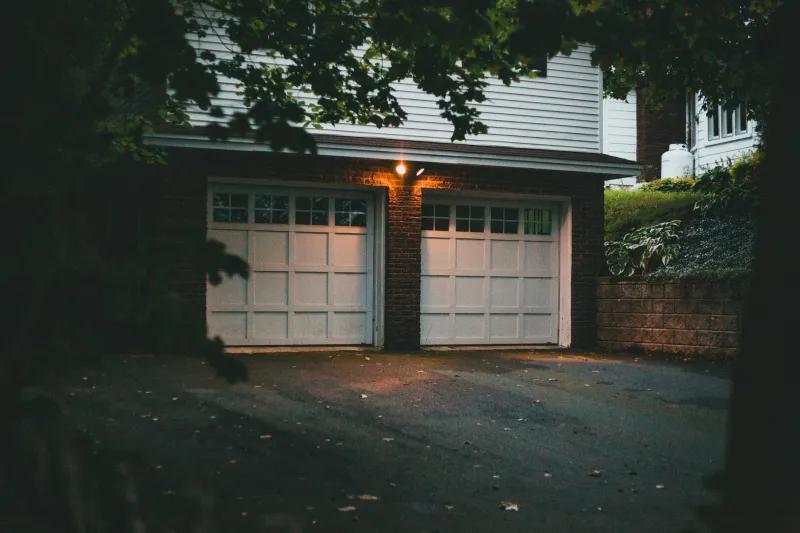
There is a moment in many UK homes when the garage stops being a garage and becomes a charging depot. An e-bike leans against the wall, a scooter sits by the door, and three power-tool batteries are lined up on a shelf like they are waiting for a bus. It feels convenient. It also deserves more thought than a spare socket and a vague promise to unplug things later.
Lithium-ion batteries are brilliant at storing energy. That is the point of them. But when a charger, battery or socket is pushed beyond what the setup was designed for, the risk is not just a flat battery. Heat, poor ventilation, damaged leads and overloaded circuits are the things worth designing out before they become a problem.
The useful idea here is the charging shelf rule: every battery gets a defined, sensible charging place — not the kitchen floor, not the hallway carpet, not a daisy-chain of extension leads behind a cupboard. A garage, shed or utility room can work well, but only if the electrics and the habits around them are up to the job.
The garage socket is not automatically a dedicated circuit
One of the most common assumptions in British homes is that the socket in the garage is somehow separate from everything else. Sometimes it is. Often it is not. It may be a spur from the kitchen ring final, a leg of the downstairs sockets, or part of a circuit that already carries a freezer, tumble dryer and whatever else was added over the years.
That matters because chargers are not all equal. A small e-bike charger may draw very little. A fast charger, a scooter pack or a multi-bay power-tool charger can ask much more, especially when several are running at once. Add a heater, a dehumidifier or a workshop light and the circuit is suddenly doing a very different job from the one it was planned for.
Before adding another high-draw charger, check the consumer unit labels — and treat them as a hint, not gospel. Labels go missing, circuits get altered, and previous owners are famous for creative wiring. If you cannot clearly identify what feeds the garage or shed sockets, that is a good moment to call an electrician rather than guess.
Dedicated versus shared: what to ask before you add another charger
A dedicated charging circuit is exactly what it sounds like: a circuit installed for that purpose, with the right cable size, protective device and socket arrangement for the load. It does not mean every home needs one. It does mean that if you are regularly charging an e-bike, a scooter and a stack of power tools at the same time, a shared socket is not a plan. It is a queue.
Ask yourself a few plain questions. How many chargers run at once? What else is on that circuit? Is the socket damaged, discoloured or loose? Is the charger indoors, outdoors or in a cold, damp shed? Does the plug stay firmly in the socket, or does it sag under the weight of an adapter? Those answers tell you more than a quick glance at the fuse board.
If the charging point is in a shed or detached garage, the supply needs proper attention too. Outdoor sockets should be suitable for the location, RCD-protected, and not reliant on an extension lead trailed across a wet patio. A long orange lead is a tool, not a fixed installation.
Heat, smoke and the case for a proper alarm
Battery charging incidents rarely begin with a dramatic bang. More often there is heat, a smell, a swollen case or a charger that has become unusually warm. By the time smoke is obvious, you want to have already been warned.
A heat alarm or smoke alarm in the garage, shed or utility room is a sensible addition, depending on the space and what is stored there. It should be linked to the rest of the home’s alarms where possible, so a problem in the garage is not discovered only when someone opens the door. Check the alarm regularly, and do not place it directly above a charger where steam, dust or normal warmth could cause nuisance alarms.
Ventilation matters as well. A sealed cupboard is not a charging bay. Batteries and chargers need reasonable airflow, and they should sit on a hard, non-combustible surface — not on a pile of cardboard, not on a rug, and not beside paint thinners or garden chemicals.
Timers, isolation and the art of not leaving it to luck
A simple timer plug can be useful for shorter charging sessions, but it is not a substitute for a proper charger or a safe circuit. The better habit is to charge while you are awake and about, then unplug. Overnight charging is common because it is convenient, but it removes the early warning that comes from being nearby.
If you want a more permanent setup, ask an electrician about isolation. A switched fused spur or a clearly marked charging point makes it easier to cut power without crawling behind a shelf. The aim is not gadgetry for its own sake. It is a setup you can switch off, check and live with comfortably.
Warning signs that mean stop charging now
Some signs are unambiguous. Stop using the charger and have the battery checked if you notice a swollen or dented battery case, a burning smell, scorch marks, a plug that is hot to the touch, a cracked charger body, or a cable with exposed inner wires. A charger that whistles, clicks repeatedly or runs much hotter than usual is also telling you something.
Do not open a lithium-ion battery pack at home. Do not try to revive a damaged charger with tape and optimism. And do not charge a battery that has been dropped, soaked or involved in a crash until it has been assessed properly.
When to call an electrician before adding another charger
Call an electrician if the garage or shed socket is part of an unclear circuit, if you need more than one high-draw charger running regularly, if the socket or plug shows heat damage, if the supply is in a damp outbuilding, or if you are planning a permanent charging station with several bays. Also call if your consumer unit has no RCD protection on the relevant circuit, or if you cannot tell what is protecting it.
A good electrician will not just add a socket. They will look at the load, the cable route, the protective device and the environment. That is the difference between a charging corner that works and one that simply happens to have worked so far.
Give the e-bike, scooter and power tools a proper place to recharge. Keep it clear, keep it ventilated, keep an eye on it, and get the circuit checked before the shelf fills up. The garage can be a charging depot. It just should not be a gamble.