When the Floor Learns to Warm Again: A Calm Diagnostic for Electric Underfloor Heating
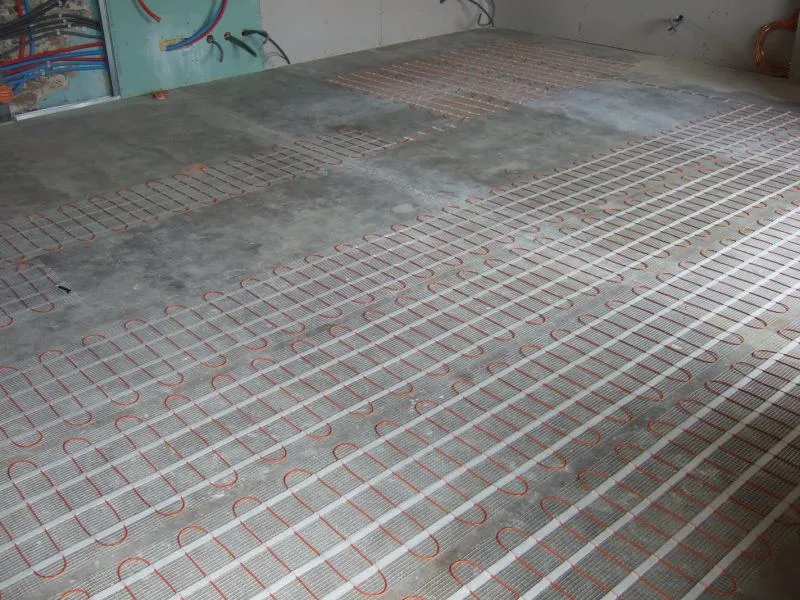
Photo: Ian Haycox, CC BY-SA 4.0, via Wikimedia Commons
The first properly cold morning of November 2026 is not the moment to discover that the underfloor heating in the bathroom has opinions. Electric mats are simple in principle — a heating cable, a floor probe, a thermostat and a circuit — but the first switch-on of the season is still worth treating as a proper diagnostic rather than a hopeful twist of the dial.
This is not a job for panic. Most systems wake up quietly and do exactly what they say on the box. The trick is to know what quiet and normal looks like, so you can spot the odd one out before it becomes a bigger, colder and more expensive problem.
Start with the paper trail, not the thermostat
Before you press anything, find out what you are actually switching on. If you moved in recently, look for the installer’s paperwork, the thermostat manual and the circuit label in the consumer unit. A dedicated label such as ‘underfloor heating — bathroom’ is a good sign. A mystery breaker with no label is not a disaster, but it does mean you should be more careful about testing and noting what happens.
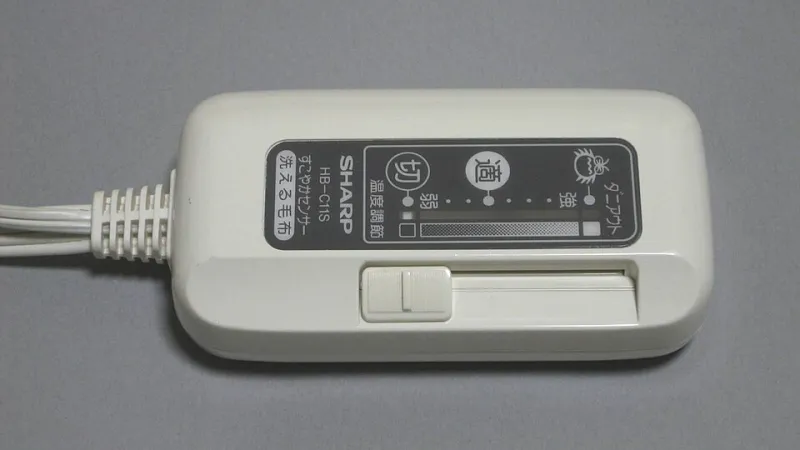
Check the thermostat model and whether it uses a floor probe, an air sensor or both. If the screen is blank, don’t assume the worst — some units have a standby mode, a replaceable battery or a fused spur that has been switched off. If there is a fused connection unit nearby, make sure it is switched on before you start diagnosing the mat itself.
The first switch-on should be boring
Resist the urge to crank the thermostat to 30°C and walk away. Set it to a modest temperature — around 18°C to 20°C is plenty for a test — and put the programmer into manual or continuous mode for 20 to 30 minutes. You are not trying to heat the room yet. You are listening to the system.
Normal first-switch-on behaviour is undramatic. The thermostat may click as the relay engages. The floor warms slowly and unevenly at first, because heat has to travel through adhesive, screed or tile backer. Some systems take an hour or more to feel genuinely warm underfoot. A faint ticking or expansion noise from the floor is not unusual as materials warm up.
A slight dusty smell on the first use of the season can happen as dust burns off the mat or the thermostat housing. It should fade quickly. A sharp acrid smell, a fishy smell or anything that persists after the first few minutes is different. Switch it off at the thermostat and the circuit breaker, then get it checked.
The RCD is the bouncer, not the enemy
Your consumer unit’s RCD is there to catch earth leakage before it becomes a shock risk. Before you test the heating, press the RCD’s test button and reset it. That tells you the device is alive. If the RCD trips as soon as the heating circuit is energised, stop. Do not keep resetting it to see if it settles.
A trip can come from moisture that has crept into a mat, a damaged heating cable, a loose connection at the thermostat or a floor probe that has seen better days. The timing matters: an immediate trip points one way, a trip after the floor has warmed for 20 minutes points another. Note it down, but leave the screwdriver alone. Underfloor heating mats are not a DIY repair item once the tiles are down.
Load sanity, not load panic
Electric underfloor heating is a high-load appliance for a home circuit. Most installations have a dedicated circuit for good reason. If yours shares a circuit with a tumble dryer, an immersion heater or a bank of kitchen sockets, the first cold snap is a poor time to run everything at once.
Check that the heating is not plugged into an extension lead or a multi-way adapter. It should be properly fused and connected. If a new mat has been added to an existing spur, or if the thermostat is warm to the touch in a way that feels wrong, get an electrician to confirm the circuit is suitable. As homes add heat pumps, EV chargers and more electric cooking in 2026, load planning is less about scare stories and more about simple arithmetic.
Warning signs that are not ‘just warming up’
A healthy system warms gradually and broadly evenly. Cold patches across a large area, a single very hot spot, or a circuit that trips only after the floor has been running for a while all deserve attention. So do discoloured thermostat casing, buzzing from the control unit, repeated error codes and a floor probe reading that makes no sense against the actual floor temperature.
If you have recently had tiles replaced, a bathroom refit or a kitchen renovation, be extra cautious. A trowel or fixing can damage a heating cable, and the fault may not show until the mat warms and expands. Switch off and isolate the circuit if you suspect damage. Do not lift tiles to investigate unless you are prepared to replace the section properly.
A simple pre-winter routine
Test the RCD, clean around the thermostat, check the programmer is running the schedule you expect, and run the heating for half an hour on a mild day before you need it. Note the date, the thermostat setting and anything unusual. Keep the floor clear of thick rugs and heavy furniture that trap heat, and make sure the thermostat is not sitting in a cold draught or direct sunlight.
If everything behaves, you have bought yourself a quiet, warm floor and a useful baseline for next year. If it does not, you have caught it early — which is exactly the point.
When to call an electrician
Call an electrician if the RCD trips, the floor stays cold, the thermostat shows an error, a hot spot appears, or you smell burning. Also call if the circuit is unlabelled and you cannot confidently isolate it, or if the system has never been tested since installation. A proper check includes insulation resistance testing and a look at the connections, the probe and the protective device. It is calm, methodical work — and much cheaper than discovering the fault when the tiles are a daily habit.