Before the Box Goes On the Wall: Getting Your Home EV-Ready in 2026

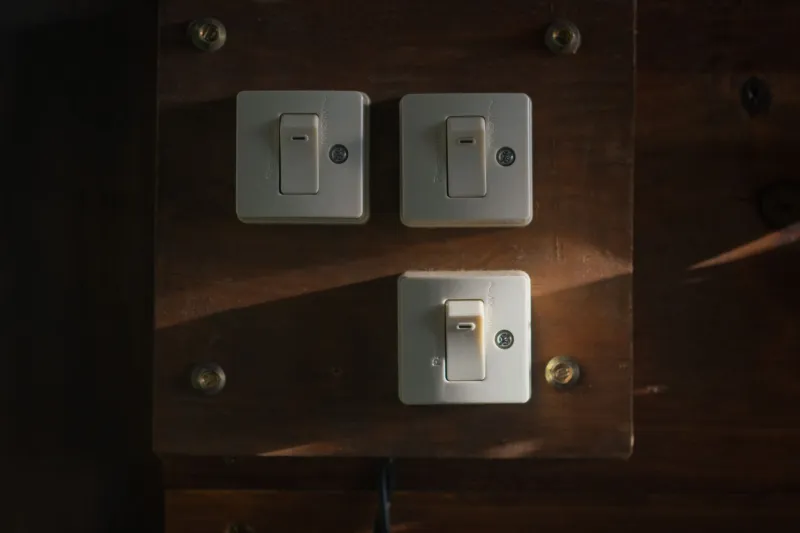
Photo: P2u111, CC BY 4.0, via Wikimedia Commons
Ordering a home EV chargepoint can feel like the finish line. In reality, the box on the wall is usually the simple bit. What decides whether installation day runs smoothly is how ready your house is — and how well the questions have been asked before anyone drills a hole.
If you’re waiting for a 2026 installation, treat that gap as useful breathing room. Here are the practical things worth sorting now.
Start with the supply, not the shiny box
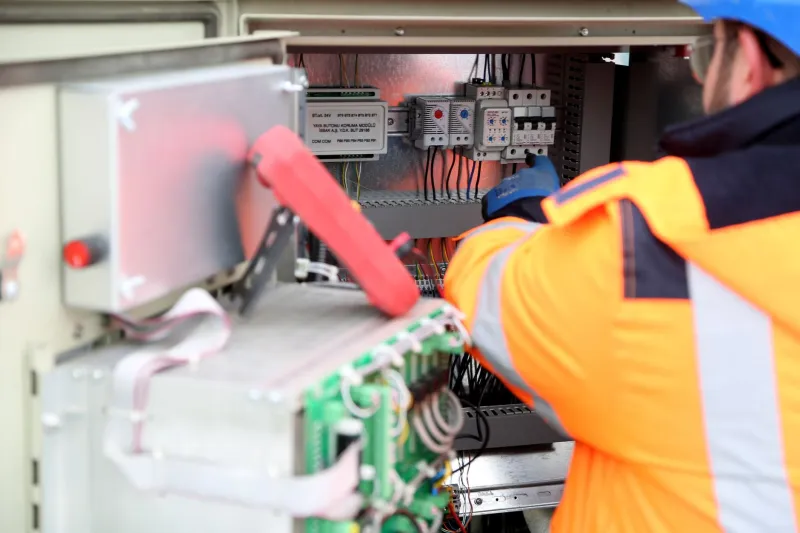
A charger installer will want to understand your earthing arrangement before they commit to a design. In UK homes that generally means identifying whether you have a TN-S, TN-C-S or TT supply, checking loop impedance and making sure main protective bonding is up to scratch.
None of that is a DIY job. But you can help by knowing what you’ve got. Is there an earth rod? Where is the main earthing terminal? Has the consumer unit been changed since the last paperwork? If your home is older, or has had extensions and outbuildings added over the years, the earthing may not be as tidy as the kitchen suggests.
This matters because a chargepoint is a continuous, fairly hefty load. An installer who finds unexpected earthing issues on the day has two choices: pause and rebook, or price up extra work. Neither is a disaster, but both are easier to handle when you’ve discussed them in advance.
The cable route is a design decision, not a improvisation
The run from your consumer unit to the parking spot needs a proper plan. Cable size, voltage drop, protection, clipping, outdoor rating and the route itself all matter. A long run to a detached garage or the far end of a driveway is not the moment for “we’ll sort it when we get there”.
Before the installer visits, take photos of the likely route. Note where walls are solid, where there’s trunking, where cables already run, and where you absolutely don’t want a visible line of white cable. If the route passes through a garage, shed or outbuilding, say so. If there’s a flower bed, gravel strip or fitted cupboard in the way, flag it.
A few minutes with a tape measure now can save a lot of head-scratching later. It also helps you compare quotes fairly, because a firm that has actually thought about the cable route will price it differently from one that has assumed a short straight run.
Decide where the emergency off should live
An EV chargepoint needs a way to isolate it. That isolator should be accessible, clearly labelled and not hidden behind the wheelie bins. Think about who might need to use it — not just you, but a family member, a visitor or an electrician working on the circuit.
If the charger is going on an outside wall, the isolator position needs to make sense in wet weather too. You don’t want to be fumbling behind a hedge in the dark. Have a sensible conversation about placement before the install, and make sure everyone in the house knows where it is once it’s fitted.
Load management is the quiet hero
A 7kW home charger can pull around 30 amps. Add an electric shower, an oven, a heat pump or an immersion heater and your supply starts having a busy afternoon. That doesn’t automatically mean you need a bigger fuse, but it does mean the installer needs to do the load calculation properly.
Load management can throttle the charger when the house is drawing heavily, and smart charging can shift the work to cheaper or greener periods. Both are useful. Neither should be treated as an afterthought.
Ask directly: will the charger include dynamic load management? Is a CT clamp needed? What happens if the main fuse is only 60A or 80A? Will the installer notify your distribution network operator, or do you need to? The answers will vary by property, but the questions shouldn’t be a surprise.
Park the car before you park the charger
It sounds obvious, but where the car actually parks is not always where the charger looks neatest. Check which side the charge port is on. Think about cable length, door swing, trip hazards and whether the cable will drape across a path.
If you share a driveway, have that conversation early. If the parking spot is tight, consider how you’ll plug in with a bike rack, roof box or second car in the way. A charger that technically works but is annoying to use every day is a false economy.
Keep the paperwork moving
Some EV chargepoint installations need notification to the DNO, especially where load or supply arrangements are changing. Your installer will usually handle this, but you should know who is doing what and when.
Build a simple file as you go: the quote, the site survey notes, the DNO response if there is one, the installation certificate, the commissioning details, the warranty and any app login information. This is the same paperwork that helps when you sell the house, switch insurer or need a future electrician to understand what was fitted.
The installer questions that save a second visit
Before anyone arrives, ask:
- Who is handling the DNO notification?
- How will you check the earthing and bonding?
- What load calculation have you done for my home?
- What cable route are you assuming?
- Where will the isolator go?
- Does the price include commissioning and certification?
- What happens if the main fuse needs attention?
Get the answers in writing where you can. A good installer will welcome the detail. A vague one will tell you plenty.
A short pre-arrival checklist
Clear access to the consumer unit and meter cupboard. Photograph the cable route. Make sure the parking spot is free on the day. Confirm who will be home. Keep any previous electrical certificates together. And decide where you want the charger and isolator before the van pulls up — not while the drill is already out.
The charger itself is a piece of technology. Your home is the system it has to live with. A little prep in 2026 makes that relationship much easier.