Watts on the Screen, Blind Spots in the Wall: A Smart Meter Reality Check
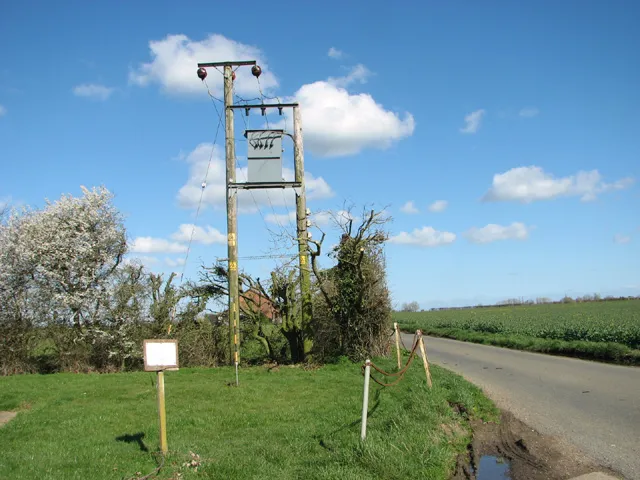
Photo: Paul Glazzard, CC BY-SA 2.0, via Wikimedia Commons
Smart meters get asked to do a lot. They tell you what the kettle cost, why the Sunday roast pushed the daily total up, and whether the solar panels earned their keep. Handy stuff. But there is one job the in-home display cannot do: inspect your wiring. It can show watts until the cows come home, yet it has no opinion on a loose spur, a cooked socket, or an RCD that has quietly stopped protecting anything.
That matters because a screen with numbers on it feels like evidence. If the display says you are using 180W and nothing is on fire, surely everything is fine? Not quite. A smart meter measures energy passing through the meter. Your consumer unit, circuits, sockets and cables are downstream of that. The IHD is a fuel gauge, not a mechanic.
What the in-home display is actually good at
The In-Home Display, or IHD, is a behaviour tool. It is at its best when it nudges you into noticing patterns. The fridge that cycles on every few minutes. The old freezer in the garage that quietly adds a chunk to the base load. The tumble dryer that turns a mild Tuesday into a tariff event. Those are useful observations, and they can help you trim waste without touching a screwdriver.
It is also decent for checking whether a big appliance is doing what you think. Switch on the shower and watch the numbers jump. Turn off the immersion heater and see whether the base load drops. If you have solar, the display can show when you are exporting rather than importing. None of this replaces an electrician, but it does make your home's energy habits visible in a way that a quarterly bill never could.
Where the screen starts telling fibs by omission
The problem is not that the IHD lies. It is that it answers a narrow question very well and says nothing about the rest. It cannot see a socket outlet that has been overloaded by a daisy chain of extension leads. It cannot see a DIY spur that was added to a ring final with more optimism than calculation. It cannot see heat building up in a terminal behind a plasterboard wall. It cannot see a borrowed neutral, a damaged cable under a floorboard, or an earth connection that has seen better days.
It also cannot see an RCD that no longer trips. That one deserves a moment. An RCD can sit there looking perfectly normal while its internal mechanism has stiffened or failed. The IHD will keep displaying your usage as if all is well. The only way to catch that is the test button on the device itself, plus periodic testing by a competent person. No app notification is coming to warn you.
The false confidence trap
Here is the trap: low usage starts to feel like a clean bill of health. If the display shows a modest base load and no wild spikes, it is tempting to assume the electrics are sound. But electrical danger is often invisible and intermittent. A poor connection can sit there using almost nothing until one day it heats up under load. A damaged cable can be fine for months, then trip an RCD when the weather changes. A socket can look normal from the front while the back is a mess.
Smart meter data is also not a diagnostic feed. It is consumption data, usually at half-hourly or near-real-time intervals, depending on your setup. It does not report insulation resistance, earth loop impedance, polarity, or the condition of your consumer unit. Those are electrician instruments and electrician judgements. Treating the IHD as a safety report is like treating a step counter as a heart scan.
The checks that still belong on your 2026 list
A sensible home safety routine still involves looking at things the display cannot see. Start with the consumer unit. Is it labelled clearly? Do you know which switch protects which circuit? If the labels are vague, fix that before you need to isolate a circuit in a hurry. Test your RCDs using the test button at the recommended interval, usually quarterly, and note any that fail to trip. If you are unsure, get an electrician to check them.
Then do a slow walk-round. Look at sockets for discolouration, cracks, or scorch marks. Check plugs and leads for frayed cable or missing cable grips. Notice any socket that feels warm when nothing heavy is running. Listen for buzzing or crackling at accessories. If you use extension leads, check they are rated for the load and avoid plugging heaters or tumble dryers into a daisy chain. Keep high-draw appliances on their own socket where possible.
If your home has not had an Electrical Installation Condition Report, or EICR, in the last ten years, or you do not know when it was last done, put it on the list. If you have had a new kitchen, loft conversion, garden office, or EV charger added, make sure the paperwork exists and the work was notified as required. The IHD will not remind you about any of this.
A sensible split of duties
Use the display for what it is good at: spotting waste, understanding tariffs, and checking that appliances are behaving as expected. Use your eyes and nose for the obvious warning signs: heat, discolouration, buzzing, burning smells. Use a qualified electrician for the things that need instruments and experience: consumer unit checks, circuit testing, fault finding, and any alteration to the fixed wiring.
The smart meter is a useful part of a modern UK home. It is not a substitute for an electrician, and it never will be. The screen can tell you that something is using power. It cannot tell you that the power is using your wiring safely.
The bottom line
A smart meter is a coach, not a doctor. It helps you see habits and costs, but it cannot diagnose the health of your circuits. Keep the IHD on the kitchen side, use it to make smarter choices, and keep the proper checks in your diary. In 2026, a safe home still needs a human to look behind the screen.